
Live Sports VPN: The Tunnel Can't Buy the Match
Kickoff is a terrible time to learn that a VPN isn't a sports package. The tunnel may work while the broadcaster blocks its address, enforces a blackout, or rejects the account. A new IP changes one location signal. It doesn't buy the rights to the match.
At 7:58, Malik opens the official app on hotel Wi-Fi. On the direct connection, the hotel network sees streaming traffic metadata while HTTPS protects the account and video contents; the broadcaster sees the hotel's public IP plus Malik's login, device, and any permitted location data.
He turns on a full-device VPN, and the stream is covered. The hotel now sees an encrypted connection to the VPN server. The VPN provider can observe destination IPs plus connection timing and volume, while HTTPS still shields the account and video contents; the broadcaster sees the server's public IP. Malik's subscription, home-market rules, device location, and account history didn't move with it.
The route changed. The viewing right didn't.
Find the Broadcaster Before You Find a Server
Live rights can change by country, competition, event, and season. The app that showed last year's final may not carry this year's semifinal, and a league service may exclude a match sold to a local network.
Start with the league, tournament, team, or event's official broadcast page for the country where you'll watch. Confirm the date, time zone, language, subscription, and whether the event is live or delayed. Then follow the named broadcaster to its current plan and device rules.
A technical connection doesn't create an entitlement. The service may require a separate sports add-on, a participating television provider, a local plan, or an account created in an eligible market.
If the rights holder is unclear, save two authorized options before travel: the primary video service and a legal fallback such as radio, official audio, live text, or a delayed replay.

A Blackout Can Follow the Game, Not You
A blackout restricts a live event in a defined market because another broadcaster owns the local or national rights. The same league can apply local, regional, national, and out-of-market rules differently.
Platforms can use the public IP, device location, account region, television-provider entitlement, and a registered home network. A VPN changes the public IP for covered traffic. It doesn't erase the other inputs, and using it to evade a blackout may violate the service's terms.
Read the current blackout rule for the exact event. If an authorized local broadcast owns the match, use it. Don't assume that a different city on a VPN map turns a rights restriction into a networking fault.
Commercial VPN addresses are also shared. A platform can classify and block one after it worked for weeks. A successful warm-up show doesn't guarantee the server will survive a detection update at kickoff.
Smart DNS can reroute selected location checks, but it doesn't encrypt the stream or create a viewing right. Platforms can block it too.
The Account Has to Make the Trip Too
Install the official broadcaster app, update it, and sign in before departure. Play live or replay content. Check the subscription tier, simultaneous-stream limit, home-network requirement, location permission, and device support while support can still help.
Travel logins from changing addresses can trigger verification. Protect the email account used for recovery, save backup codes somewhere you can reach without the streaming device, and use a unique password with the strongest multifactor option the account supports.
A hardware security key can protect compatible email and broadcaster accounts from many phishing attempts. It doesn't grant sports rights or guarantee that a particular service accepts hardware keys, so confirm support and keep a tested spare or recovery method.

- Connects through USB-C or NFC, covering many newer computers and compatible phones
- Adds a phishing-resistant physical check to passkeys and supported multi-factor logins
- Works without a battery, code display, or wireless pairing process
Don't share credentials with a stranger selling a “working stream.” The VPN can't protect an account you deliberately hand over, and an illegal feed can add malicious redirects, intrusive ads, unreliable video, and no useful support when it disappears.
Privacy and Playback May Need Different Routes
A trustworthy VPN still has a job on airport, hotel, or venue Wi-Fi. It encrypts covered traffic to its server and reduces what the local network learns about direct destinations. That privacy benefit exists even if the sports app refuses the VPN exit address.
If the broadcaster requires a direct connection in a supported location, a precise split-tunnel exception may send only the sports app outside the VPN. Follow both paths: the excluded stream goes through the ordinary network, so the hotel sees that service connection and the broadcaster sees the hotel IP. Covered messaging and browsing go through the VPN, so the hotel sees the tunnel; the provider observes destination IPs plus connection timing and volume but not HTTPS-protected contents; and those destinations see the VPN exit IP.
The exception isn't private sports streaming through the VPN. It works because the sports stream bypasses it.
Test the exception before the event and remove it afterward. Don't exclude an entire browser to fix one app. Our split-tunneling guide shows why one green icon can describe two very different routes.
If direct hotel Wi-Fi isn't acceptable, use personal mobile data or another trusted connection. Avoid an unknown proxy; it adds an operator between the app and broadcaster without creating a viewing right.
A Fast Speed Test Can Still Miss the Goal
Live playback cares about sustained throughput, latency, jitter, and packet loss. A distant VPN server can add delay even when a brief download test looks impressive. The broadcast itself may already trail television or radio before your route adds another hop.
When the platform permits VPN traffic, compare a nearby server with the direct route on the same device and network. Watch a full live segment, not only a highlight. Look for resolution drops, audio drift, stalls, and recovery after the device sleeps.
Ethernet can remove local Wi-Fi interference for a television or laptop. On mobile, move from Wi-Fi to cellular and back during a replay. If the stream fails only at the handoff, fix that transition before game day.
Change one variable at a time: server, protocol, device, or network. See how to diagnose a slow VPN instead of turning every setting into a match-day mystery.
Two Screens Can Take Two Paths
Casting isn't always one stream. The phone may send only control instructions while the television fetches the video itself. The phone can show a VPN IP while the television uses the hotel's direct address—or the reverse.
Test the device that actually receives the media. Check its app, DNS, router rule, and public IP where possible. A television or streaming box without a native VPN app may need an explicit router policy, while a laptop can run the provider app directly.
A travel router can join hotel Wi-Fi once and give several devices a network you control. It can also make one bad VPN policy everybody's problem. Label direct and tunneled modes, update the firmware, test the captive portal, and keep a known bypass.
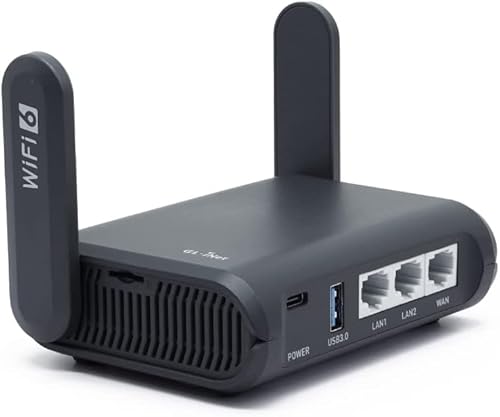
- Builds a private Wi-Fi 6 network for laptops, phones, streaming devices, and other travel gear
- Runs OpenVPN or WireGuard for compatible VPN services, with performance suited to faster connections
- Handles hotel captive portals and includes a configurable switch for VPN or network-wide filtering
Router hardware can't promise live-sports access. Provider compatibility, processor load, hotel congestion, server distance, and the broadcaster's rules still decide what happens after Connect.
Build a Fallback That Doesn't Vanish at Kickoff
Save official support contacts, account recovery, event start time, and the authorized local channel. Check whether the service offers radio commentary, league audio, live text, condensed games, or a delayed replay. Downloads may cover highlights or earlier programs, but they don't turn a live event into an offline file.
Run the final rehearsal from the destination network hours before the event. Use the exact account, device, route, and video output you'll use later. If the VPN path fails and the platform's guidance says to disable it, restore the ordinary route instead of cycling servers through the opening minutes.
The best live-sports setup isn't the cleverest tunnel. It's an authorized broadcaster, a working account, a tested device, a stable route, and a legal fallback. A VPN can protect permitted traffic. It can't referee rights, blackouts, or the platform's next blocklist update.