
VPN vs. Smart DNS: One Detour Isn't a Tunnel
- Smart DNS Changes a Small Part of the Trip
- A VPN Moves the Route, Not Just the Lookup
- A Router Can Give the Television a Real Tunnel
- Privacy Isn't a Close Contest
- Streaming Services Check More Than One Address
- Speed Depends on What Took the Detour
- Failure Looks Different
- Setup Convenience Belongs to Smart DNS
- Pick the Smaller Honest Tool
Smart DNS can make one streaming check take a detour. A VPN can put most of a device on an encrypted route. Both may change what appears on the television. Only one is built to change what the network sees.
Open a streaming app without either tool.
The device asks a DNS resolver where the service lives, then connects over the ordinary internet route. The resolver receives the lookup. The router and ISP carry the service connection. The streaming platform sees the home's public IP plus its own account, device, app, and location signals.
Turn on Smart DNS. Supported lookups go to the Smart DNS provider, and selected service traffic may be relayed depending on its design. Most traffic can stay direct. The ISP still carries those direct connections, and the platform may still see the home public IP.
Now turn on a full-device VPN. Covered lookups and app traffic enter the encrypted tunnel. The ISP sees the VPN-server connection. The VPN provider handles the next hop. The platform sees the VPN server's public IP—while keeping the same account, device, app, and location signals.
Same goal on the screen. Very different route underneath it.
Smart DNS Changes a Small Part of the Trip
DNS connects a name people can remember to the network address a device needs. ICANN's plain-language DNS explanation calls it the internet's address book.
A Smart DNS service changes how selected lookups are answered. It may direct a region check or a small piece of supported traffic through its own infrastructure while leaving the main video stream on the ordinary route.
That narrowness is the point. A television or console that can't install a VPN app may still let you enter custom DNS addresses. The device gets a different answer without building an encrypted tunnel.
It also means the name oversells the privacy. Smart DNS isn't designed to hide general browsing destinations from the router or ISP, and it doesn't promise a different public IP for every connection.

A VPN Moves the Route, Not Just the Lookup
A VPN app builds an encrypted connection from the device to a VPN server. The operating system feeds covered traffic into it: browser tabs, streaming apps, and background services unless a rule deliberately excludes them.
The local network and ISP see the tunnel endpoint rather than the same set of covered destinations. The VPN provider receives the traffic after the encrypted first hop. Destinations see the server's public IP.
That broader coverage makes a VPN the meaningful choice when network privacy is part of the job. It also creates more distance, more processing, and another server that can become slow or unavailable.
The green Connected screen isn't proof. Check the public IP and run DNS leak tests from the device that matters.
A Router Can Give the Television a Real Tunnel
When a television can't run a VPN app, a VPN-capable router can put that device on a protected route. Confirm the router supports VPN client mode; “VPN passthrough” only lets another device create its own tunnel.
Assign the television to a device-specific policy where possible. That keeps work laptops, banking apps, and smart-home gear off a streaming route they don't need.

- Pairs Wi-Fi 6 and dual 2.5-gigabit ports with enough capacity for a device-heavy household
- Runs WireGuard and OpenVPN directly on the router so compatible devices can share one VPN policy
- Supports AdGuard Home and OpenWrt customization, with an initial firmware update recommended
Flint 2 supports compatible OpenVPN and WireGuard client profiles and policy routing. It doesn't choose the right television or failure rule for you. Update it, give the TV a stable device identity, and verify the public IP from the television side of the router.
Privacy Isn't a Close Contest
Smart DNS changes name handling and, for some services, selected traffic. The ordinary route remains ordinary. The ISP may still see destination IPs and connection patterns; the Smart DNS provider sees the lookups it handles and any traffic it relays.
A VPN hides covered destinations from the local network and ISP behind one encrypted server connection. It shifts visibility to the VPN provider. That's a change in trust, not the elimination of trust.
Neither tool hides the account you sign into. Neither deletes cookies, changes a device identifier, removes GPS permission, or controls what the streaming company stores after receiving your data.
If privacy is the reason for connecting, Smart DNS is the wrong substitute. If only one supported television service needs different routing, a full tunnel may be more machinery than the room needs.
Streaming Services Check More Than One Address
A different public IP can change an IP-based location estimate. It can't move the device, rewrite the account country, or grant rights the service doesn't offer.
Streaming platforms can compare public IPs with account regions, device settings, location permissions, payment details, and infrastructure associated with VPN or proxy services. Those checks can change without notice.
Smart DNS may avoid a block aimed at shared VPN addresses because much of the connection stays direct. It may also fail when the platform requires the visible connection address to match the expected region.
A VPN changes the public IP for covered traffic more consistently, but shared server addresses can be recognized. Neither tool guarantees a permanent catalog, and the service's subscription and regional terms still apply.
Treat access as a test result, not a lifetime feature.
Speed Depends on What Took the Detour
Smart DNS often leaves the large media stream on the direct route. That can avoid VPN encryption overhead and a long detour through a remote server.
It can't fix weak Wi-Fi, an overloaded home connection, or congestion between the ISP and streaming service.
A VPN usually adds some overhead, though it can occasionally avoid a poor ordinary route. Server distance, load, protocol, router power, and the platform's delivery network all affect the result.
Play a complete high-resolution episode on each route. Watch startup time, sustained resolution, buffering cycles, and audio sync. A twenty-second trailer can look perfect before the connection buckles.
Failure Looks Different
Smart DNS services may require you to register the home's current public IP. If the ISP changes that address, supported routing can stop until you update the registration.
Custom DNS settings can also stay behind after you forget them. Record the original automatic setting before changing anything. If name resolution later fails, restore that baseline first.
A VPN app usually shows a connection state and may offer a kill switch. Test it.
With a fail-open VPN, covered traffic returns to the ordinary route after the tunnel drops: the ISP sees the service connection, the VPN provider receives none of that direct traffic, and the platform sees the home IP. With fail-closed behavior, the app stalls until the protected route returns.
Smart DNS has no comparable encrypted session to guard. If its special handling fails, the request may fail, resolve normally, or take another documented path. The provider's implementation matters.
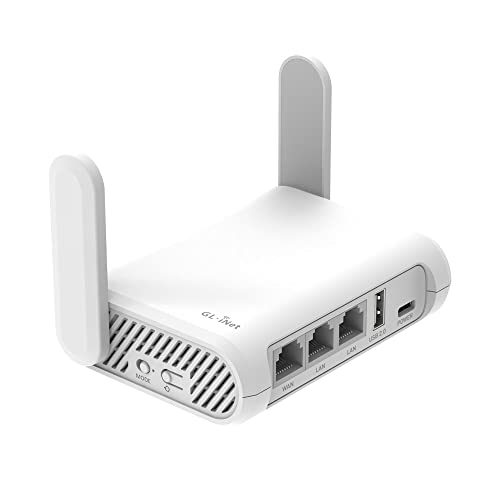
- Creates your own dual-band network from a hotel, café, Ethernet, or public Wi-Fi connection
- Includes OpenVPN and WireGuard support for compatible VPN subscriptions
- Lets you assign the side switch to VPN control after configuring it in the admin panel
Opal can give a television a small travel-router network and run compatible VPN profiles. Use it when a temporary room needs a real tunnel, not as a decorative way to replace two DNS numbers. Learn its direct and protected states before travel.
Setup Convenience Belongs to Smart DNS
Some televisions, consoles, and streaming boxes expose DNS settings but no VPN controls. Entering two resolver addresses can be easier than replacing a router or sharing a connection from a computer.
Phones, computers, and supported streaming devices gain better control from a native VPN app. They can change servers, toggle protection, apply split-tunnel rules, and show connection failures without another dashboard.
If you use Smart DNS, write down the original settings, the provider's registration step, and the exact service it supports. If you use a router VPN, record which device policy, server, protocol, and failure rule belong to the television.
Pick the Smaller Honest Tool
Choose Smart DNS when the device can't run a VPN, the narrow goal is compatibility with one supported service, and you accept that most traffic remains on the ordinary route.
Choose a VPN when you want an encrypted first hop, a different public IP for covered traffic, protection beyond streaming, or control on a network you don't trust.
Don't stack them by superstition. Two intermediaries create two places to troubleshoot, and a VPN can override the DNS path you meant Smart DNS to use.
Return to the television. If the goal is one selective detour, Smart DNS may be enough. If the goal is to change what the network sees, build the tunnel—and test it from the screen that will use it.