
An Antivirus Bundle VPN Has to Earn Both Checkmarks
An antivirus bundle can put malware scans and a VPN behind one green button. It can't make them one protection. The bundle is convenient only if each half survives its own test.
Picture a laptop in an airport lounge. The security suite says Protected, the VPN tile says Connected, and a bank login is waiting in the next tab.
That dashboard feels like a sealed box. It isn't. The antivirus is watching the device; the VPN is changing the route out of it. A weakness in either job doesn't get repaired by the logo they share.
One Dashboard Still Hides Two Jobs
Antivirus software looks for malicious code and suspicious behavior, then may block, quarantine, or remove it. Microsoft's anti-malware guide describes that device-level job in practice.
A consumer VPN does something else. Its app sends covered traffic through an encrypted connection to a VPN server. The airport Wi-Fi sees that connection, while websites usually see the server's public IP address instead of the lounge's.
Now follow the bank login.
The VPN can protect the traffic on its way to the VPN server. HTTPS continues protecting the browser-to-bank conversation after the VPN layer ends. The antivirus may catch a malicious download or known dangerous page.
But the VPN can't disinfect an infected file, and antivirus can't automatically hide browsing destinations from the local network. Neither tool makes a convincing fake login harmless. If you type a password into a phishing page, an encrypted route can deliver that mistake perfectly.
“Complete protection” is therefore a slogan, not a map. A useful bundle tells you which engine handles each risk and what remains outside both.

The VPN Tile May Be a Trial-Sized Service
Some suites include a full VPN. Others attach a data allowance, a short server list, one-device coverage, or a stripped-down app to a much broader antivirus subscription.
Open the details for the exact plan, not the brand's general VPN page. Check:
- how many devices can connect at once;
- which operating systems get an app;
- whether mobile and desktop versions have the same controls;
- which server locations and protocols are included;
- whether a monthly data cap or speed limit applies; and
- whether router setup is supported.
An “unlimited” label still needs company rules on normal use and account sharing. A long location list doesn't help if the one country or device you need is missing.
Router support is a revealing edge case. A standalone VPN may provide configuration files for compatible hardware while the bundled version works only inside the suite's apps. That matters when a television, console, or work-restricted device can't install them.
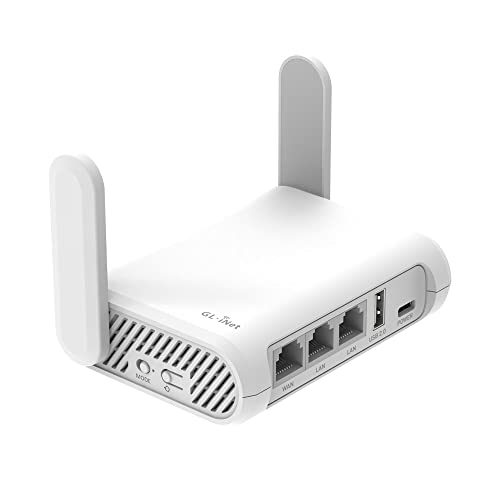
- Creates your own dual-band network from a hotel, café, Ethernet, or public Wi-Fi connection
- Includes OpenVPN and WireGuard support for compatible VPN subscriptions
- Lets you assign the side switch to VPN control after configuring it in the admin panel
The router doesn't include a VPN subscription. It simply gives a compatible service somewhere else to run. If the bundle won't provide the needed profile, extra hardware can't invent one.
The Honest Test Starts When the Tunnel Breaks
Back at the airport, close the laptop. Open it again. Then walk far enough for Wi-Fi to drop and let the phone hotspot take over.
A VPN can lose its tunnel during sleep, a server change, or a network handoff. A working kill switch blocks covered traffic instead of letting it quietly resume through the ordinary connection. The relevant question isn't whether the icon turns green again; it is what escaped while it wasn't green.
Test the public IP address and DNS servers before and after connecting. Interrupt the tunnel while a harmless page reloads, then repeat after sleep and a Wi-Fi change. If the bundle advertises IPv6 protection, test that route too.
DNS turns site names into network addresses. If those requests leave outside the intended tunnel, the local network or internet provider may still learn which domains the device asks for. A status badge cannot detect every bad route from the outside; an independent leak test can.
Simple controls aren't a flaw by themselves. Hidden failure behavior is. The bundle should document what the kill switch covers, whether it survives app restarts, and whether it is available on every platform you use.
You Didn't Buy Trust Wholesale
The antivirus side may collect files, threat signals, device details, and diagnostics to detect malware. A VPN should minimize connection and activity data; check whether its side handles source and assigned IP addresses, connection times, bandwidth, DNS requests, device identifiers, app analytics, or traffic leaving its servers. One account can place both sets of information under the same policy.
Read for the data, purpose, retention period, and recipient—not just for the phrase “no logs.” Check whether diagnostics are optional and whether data from the two products is joined into one profile.
Then find the network operator, infrastructure partners, and subprocessors, along with the policies governing each one. The antivirus company may run the network, use an affiliate, or license it from another VPN business. Third-party operation isn't automatically bad. Failing to identify the companies that receive the traffic is.
The FTC's VPN app guidance makes the trust transfer plain: a VPN can receive enormous visibility into a device's internet traffic, so permissions, encryption, and third-party sharing deserve scrutiny.
An independent audit can add evidence, but read its scope and date. An antivirus certification doesn't automatically examine VPN servers, and a VPN app review may not cover the provider's retention systems.
Convenience Concentrates the Failure
Return to the lounge. The suite's web filter, antivirus engine, account service, and VPN now share an updater and interface. Fewer moving parts can make the setup easier to maintain.
It can also give one problem a wider blast radius. An account lockout, broken update, or subscription error may affect both tools. Two network-filtering components may occasionally collide, producing failed pages, certificate warnings, or poor performance.
Try the boring routine before trusting the bundle: browsing, calls, downloads, sleep and wake, Wi-Fi changes, and any distant server you genuinely need. Test nearby servers first. Performance varies by device, server load, route, and time, so one speed result isn't a permanent grade.
Protect the shared account with a unique password and multifactor authentication where available. Keep recovery information current. A VPN doesn't stop account takeover, and antivirus can't rescue credentials handed to a convincing impostor.

- Adds a physical FIDO sign-in check through USB-C or NFC
- Helps protect supported accounts from fake login pages and stolen passwords
- Keeps setup focused on core passkey and multi-factor use without a battery or app on the key
A hardware security key helps only on services that support it, and you still need a recovery plan. Its value here is precisely that it handles a job the bundle doesn't.
Make the Bundle Earn Both Checkmarks
Keep the included VPN when it covers every important device, fits your data and location needs, blocks traffic when the tunnel fails, passes leak tests, and explains who operates the network and what they retain.
Use separate tools when the VPN lacks a needed platform, router profile, location, peer-to-peer support, failure control, or credible privacy explanation. You can keep strong antivirus protection without accepting the VPN beside it. Separate products add accounts and upkeep, but they also keep one weak component from deciding the whole setup.
Don't count settings. Follow the traffic, break the connection, and read the policy for the service you actually receive.
One dashboard is convenient. Two verified jobs are protection.